Filter Types And What They Catch
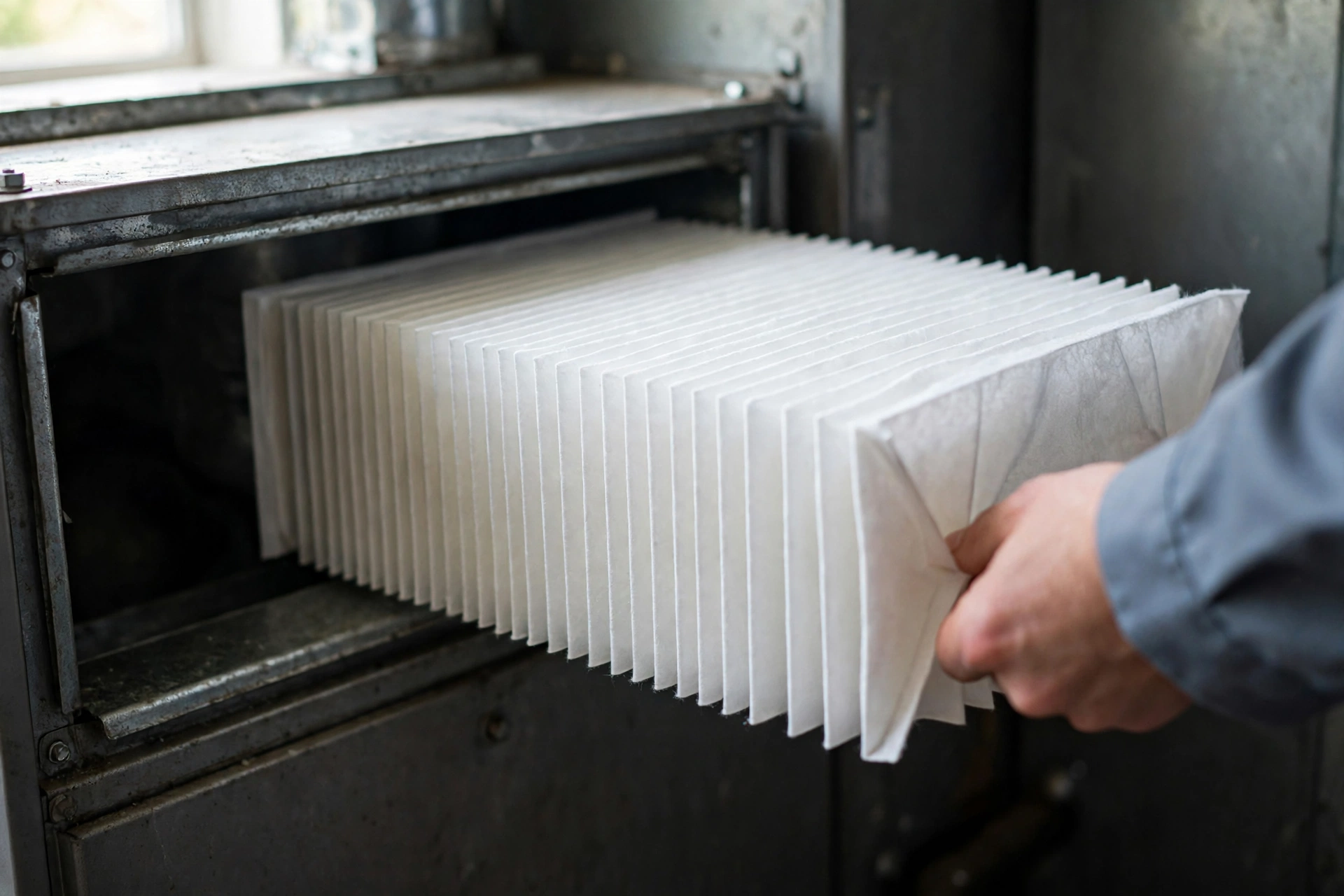
Furnace filters share one job, protecting the blower and keeping dust out of the system and the air, but they do it at different levels. Basic flat panel filters catch large dust and lint and protect the equipment first. Pleated filters fold more material into the same frame, giving them more surface to catch finer particles such as pollen and pet dander before they circulate.
Higher capture filters trap still finer material, which helps allergy sensitive homes but adds resistance the blower must pull against. More is not automatically better: a filter that is too restrictive for the duct system can cut airflow, raise noise, and overheat the furnace. The rating printed on the frame describes particle capture, not suitability. Manassas homeowners do best with the style their system was set up for, changed on time, rather than the most aggressive filter on the shelf. When you shop, bring the old frame or a photo of its printed size and rating, because filter aisles mix many similar packages, and matching what already works beats experimenting in the middle of the coldest month of the year.
Get The Size And Fit Right
A filter only works if it fits. The size is printed on the frame, length by width by depth, and the replacement must match it exactly. A filter that is slightly small lets unfiltered air slip around the edges, coating the blower and coil with the dust the filter was meant to stop. One forced into place can bow, tear, or block its own slot.
Depth matters as well. Some cabinets take a slim one inch filter changed often. Others use a deeper media filter, several inches thick, with far more surface area and a longer service life. Note the airflow direction arrows on the frame and install them pointing toward the furnace. In Manassas homes, keeping one spare filter of the correct size on hand turns a due change into a two minute job instead of a postponed errand. If the slot in your system is empty when you move into a home, measure the slot itself carefully and check for a size label inside the blower door or on the cabinet, since guessing from grille size alone often leads to the wrong purchase.
Schedules For Different Households
A quiet household with no pets and a standard pleated filter often lands near the three month end of the range. Add a dog or cat, and the interval shortens, because hair and dander load a filter faster than dust alone. Homes with several pets, smokers, or ongoing renovation dust may need a fresh filter every month during heavy use.
Season matters too. The filter works hardest when the system runs most, which in Northern Virginia means deep winter and the height of summer for homes that share the blower with cooling. A schedule that works in mild spring weather will fall behind in January. Set reminders tied to the calendar rather than to memory, and check the filter monthly during peak season. A quick look costs a minute and prevents the slow clog that homeowners rarely notice until airflow drops. Homes near busy roads or active construction load filters faster as well, so Manassas households in new developments may need the shorter interval until building work in the neighborhood settles down and the dust in the air returns to normal levels.
Pets, Allergies, And Indoor Air
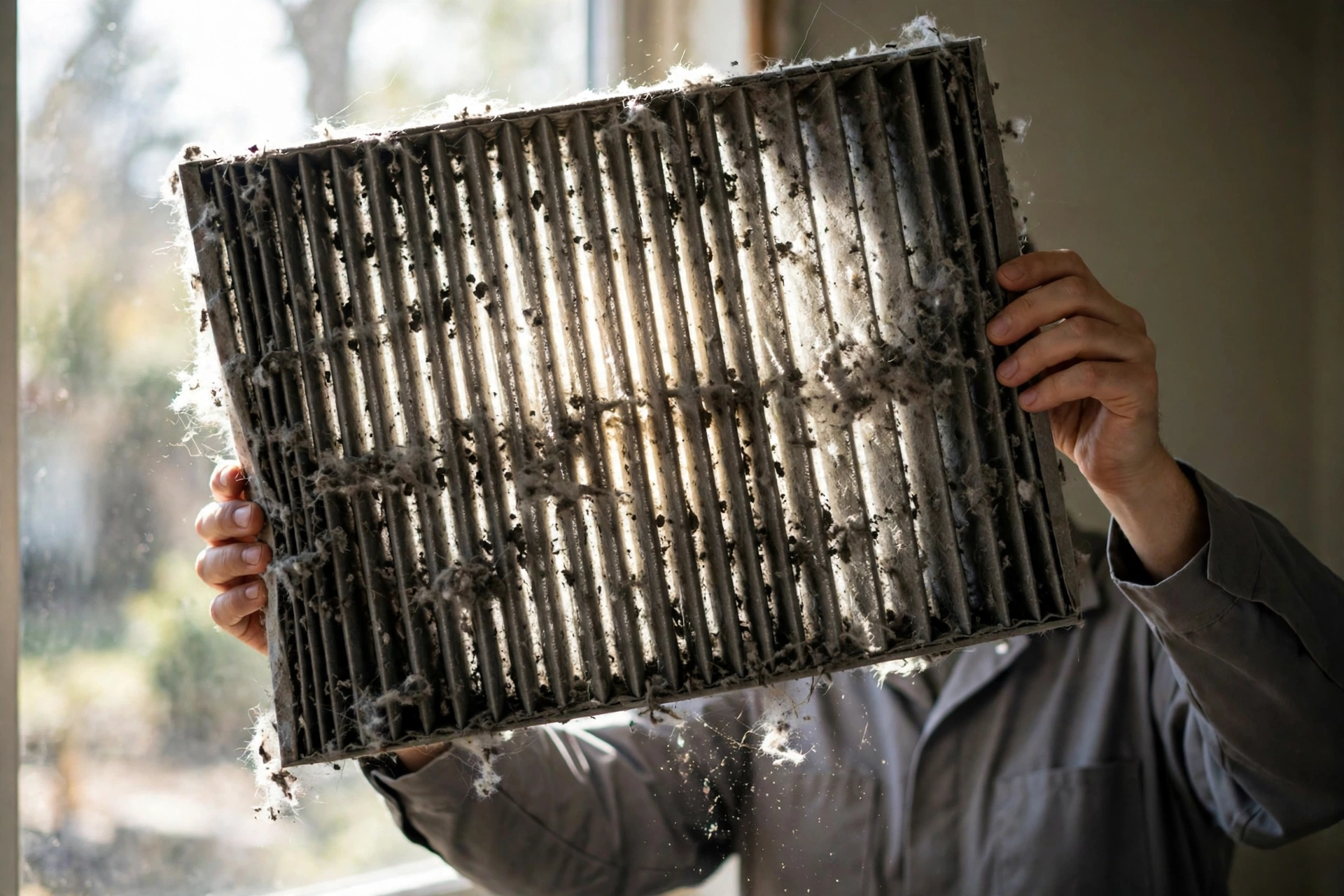
Pet households should judge filters by what they see, not by the longest interval on the package. Hold the used filter beside a new one: a gray, matted surface that blocks light is done, whatever the calendar says. Grooming pets away from return grilles and vacuuming returns gently also slows how fast the filter loads between changes.
For allergy sensitive families in Manassas, consistency beats intensity. A mid range pleated filter changed on a strict schedule often delivers steadier air quality than a high capture filter left in too long, because a loaded filter of any grade restricts airflow and lets the system struggle. Pair the filter routine with clear returns and regular dusting during pollen season, and ask at your next tune up whether your duct system can handle a higher capture filter before switching to one. Brushing dogs and cats regularly and keeping litter boxes away from return grilles reduce what the filter must catch in the first place, which stretches each filter closer to its intended life and keeps airflow steadier between scheduled changes all winter.
Signs A Filter Waited Too Long
A neglected filter announces itself in stages. First the system sounds a little louder and rooms warm a little slower. Then cycles lengthen, dust builds on registers, and the furnace may begin shutting down on its limit switch as heat builds with nowhere to go. In cooling season the same restriction can ice a coil. Each stage is the same clog getting worse.
The fix and the prevention are the same habit: check monthly, change on the schedule your household actually needs, and note the date on the frame. If you find a filter collapsed, sucked toward the blower, or black with grime, mention it at your next service visit, since that history helps a technician judge the strain the blower has been under. For Manassas homes, the humble filter is the cheapest protection the furnace has. Make the change itself a small ritual tied to something you already do monthly, such as paying a bill or testing alarms, because a habit attached to an existing routine survives busy seasons far better than a date you mean to remember.
Questions About How Often Should You Change Your Furnace
How can I tell if my furnace filter needs changing early?
Hold it up to a light and compare it with a fresh filter. If light barely passes, the surface looks matted or gray, or the frame is bowed, change it now regardless of the calendar. Louder blower noise and slower warming are clues that the filter is restricting airflow.
Does a thicker filter always last longer than a thin one?
Generally yes, because deeper media has more surface area to hold dust before airflow suffers. A deep media filter can often serve several months where a one inch filter needs monthly or quarterly changes. Follow the schedule for your cabinet type, and keep checking visually during heavy heating months.
Can the wrong filter size harm my furnace?
Yes. An undersized filter lets dust bypass the edges and coat the blower and internal parts, while an oversized one can buckle or block its slot. Both reduce real filtration and airflow. Always match the printed length, width, and depth, and install the arrows pointing in the direction of airflow.
Should I switch to a higher rated filter for allergies?
Not without checking airflow first. Higher capture filters resist air movement more, and some duct systems cannot spare that margin without noise, overheating, or shutdowns. A mid range pleated filter changed strictly on schedule often serves allergy needs better. Ask during a tune up whether your system suits an upgrade.