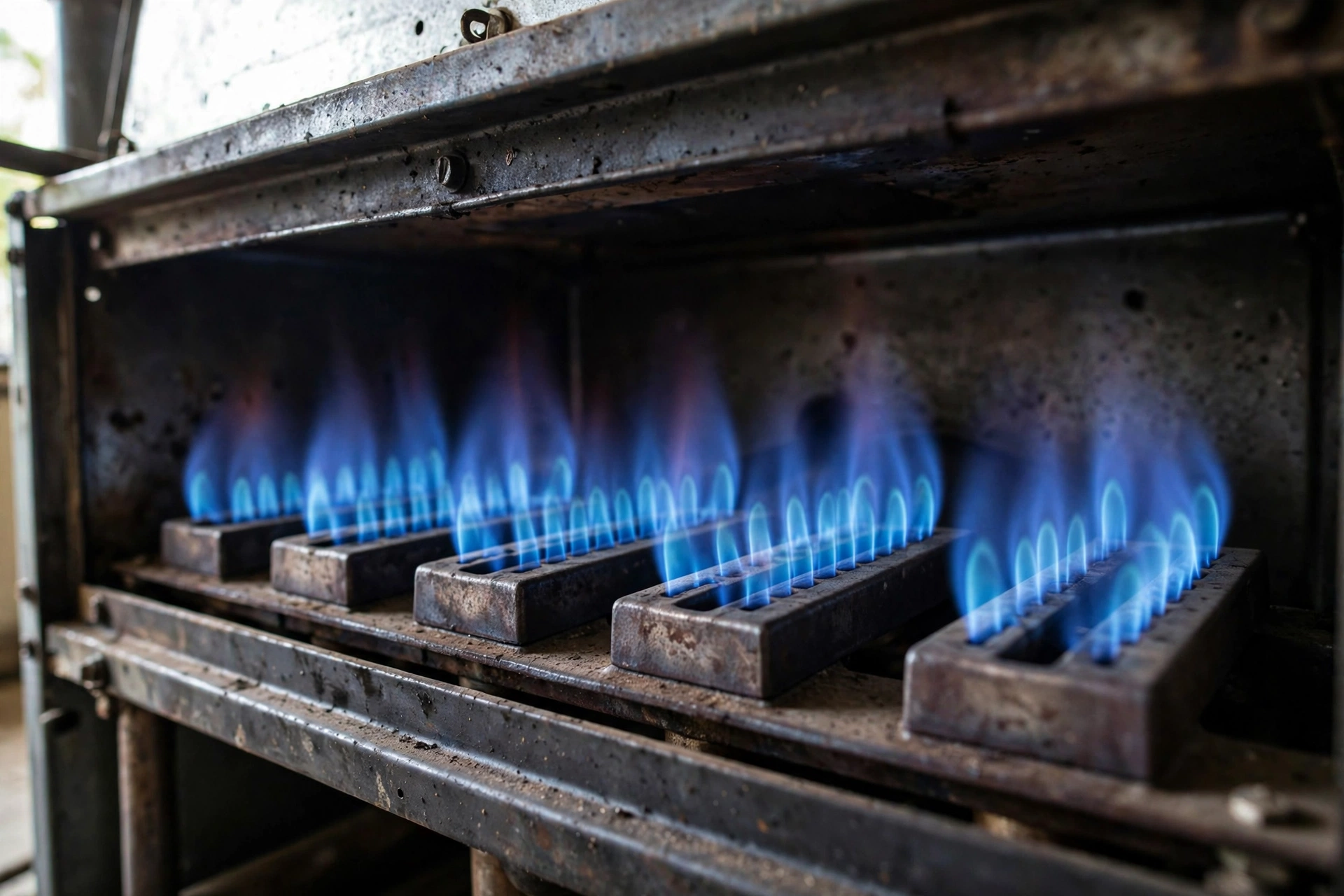
Gas furnaces fail in predictable places: igniters, flame sensors, gas valves, and safety switches. We test the sequence and repair the step that broke.
Manassas Furnace Pros repairs natural gas and propane furnaces across Manassas and Prince William County, from failed igniters and dirty flame sensors to sticking gas valves and weak inducer motors. We test the full ignition sequence, confirm safe burner operation, and explain each repair in plain language before work begins. If your gas furnace is blowing cold air or will not start, call (703) 962-7410 to schedule a visit today.
Most gas furnace problems begin in the ignition sequence, the ordered steps the system follows each time the thermostat calls for heat. The inducer motor clears the vent, the hot surface igniter glows, the gas valve opens, and the flame sensor confirms a stable flame. If any step fails, the control board shuts the burner down for safety. Our repair process tests each step in order, so the part that actually failed is the part that gets addressed. Gas furnaces across Manassas serve ranch homes, townhomes, and larger two story houses, and each layout changes how burner faults show up in daily comfort. We pay attention to where complaints originate in the home, since a room pattern often distinguishes an ignition problem from an airflow problem before testing even begins properly.
Burner condition matters just as much as ignition parts. Dust, rust, and delayed ignition can produce burners that light unevenly, rumble on startup, or leave one burner unlit. We clean and inspect the burner assembly, check the flame sensor signal, and verify the thermocouple or flame rectification circuit is reading correctly. Homes in Manassas with older gas furnaces benefit from this careful approach, because small burner faults often appear before a complete no heat failure arrives. Cleaning matters here, because even a thin coating on the flame sensor interrupts the tiny electrical signal that proves flame to the control board. We clean the sensor with the correct method rather than abrasive shortcuts, then measure the signal so the improvement is proven in numbers the board can actually sustain through repeated cycles.
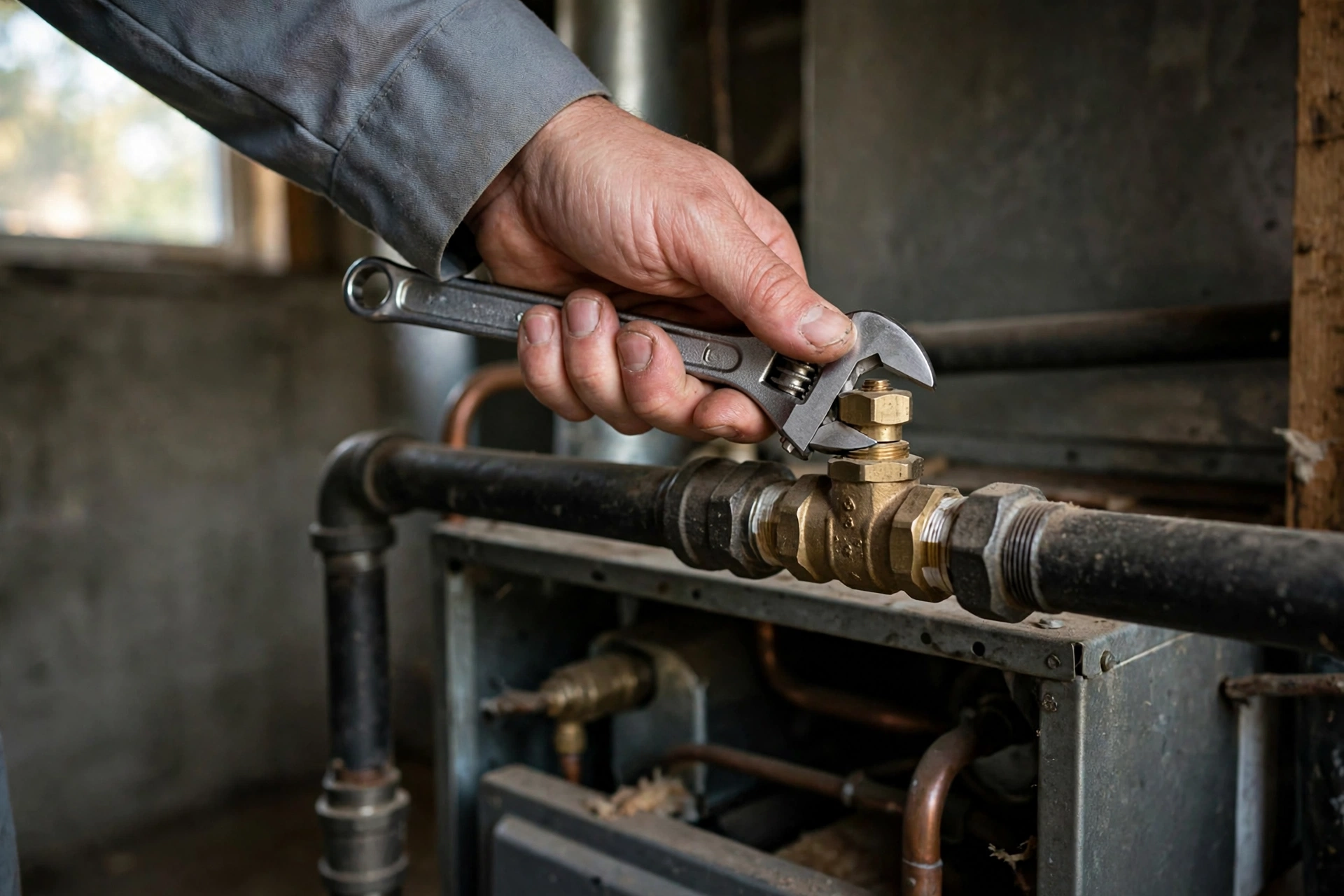
The gas valve controls fuel delivery to the burners, and when it sticks, opens slowly, or fails electrically, the furnace may click without lighting or shut down seconds after ignition. Testing valve operation safely requires the right instruments and a clear understanding of the control sequence. We also test the inducer motor, because a weak inducer or blocked vent can prevent the pressure switch from closing, which stops ignition before the gas valve ever receives a signal. Vent condition deserves attention whenever ignition faults repeat, because a partially blocked flue or a failing inducer changes the pressure the switch must prove. Birds nests, snow blockage at terminations, and crushed vent sections all appear in Northern Virginia homes, and each one can imitate an expensive internal furnace failure surprisingly well.
Safety controls guard every heating cycle. The limit switch protects the heat exchanger from overheating, rollout switches watch for flame escaping the burner compartment, and the pressure switch proves proper venting. When one of these controls opens, the furnace stops for a reason that needs to be found, not bypassed. We trace why the control tripped, whether the cause is airflow, venting, or a failing component, and then repair the root cause in Prince William County homes. We also examine the wiring and connections feeding the gas valve and control board, since heat and vibration loosen terminals over years of service. A valve that tests fine on the bench can still misbehave through a poor connection, and finding that detail prevents an unnecessary part replacement and a repeat visit later.
Manassas includes a mix of natural gas neighborhoods, older homes converted over the years, and propane systems on the edges of Prince William County. Each fuel setup has its own supply details, from shutoff locations to regulator and venting arrangements, and a repair visit should account for those differences. We ask about the fuel type when you book, arrive prepared for that system, and confirm supply and venting are sound before returning the furnace to regular service. Propane systems add tank level and regulator condition to the checklist, since a nearly empty tank or a regulator fault can starve burners in a way that looks like a valve failure. Asking about recent deliveries and outdoor equipment condition is a normal, useful part of diagnosing gas heat on county properties.
Age and layout also shape gas furnace repairs here. Compact closets in townhomes, basement systems in older houses near Old Town, and attic air handlers in newer subdivisions each present different access and airflow challenges. We work with the layout you have, protect floors and finishes, and test the repaired furnace through full cycles. You get a clear summary of what was found, what was repaired, and what to monitor as winter continues in Northern Virginia. Before leaving, we run the furnace through repeated starts to be sure the repair holds beyond a single lucky ignition. Intermittent faults hide during short tests, so patience at this stage protects you from the same failure returning the following evening when temperatures drop again across the Manassas area after sunset.
Clicking without ignition usually means the control board is trying to start the sequence but one step is failing. The sound may be a relay, a sparking igniter, or the gas valve attempting to open. If the hot surface igniter is cracked, it never gets hot enough to light the gas, and the board shuts the attempt down. Burners that light with a delay often leave a brief puff or a louder start that homeowners notice in quiet rooms nearby. Reporting that change early matters, because repeated delayed ignition stresses the exchanger and can turn a cleaning visit into a larger repair if the pattern is ignored for a full season.
A blocked vent or weak inducer motor can produce the same symptom, because the pressure switch will not close and the board will not allow ignition. A dirty flame sensor causes a different pattern, where the burners light briefly and then go out. Each pattern points to a different test, which is why sequence diagnosis matters. A healthy flame has a steady shape and color pattern that an experienced eye reads quickly during a full cycle. Flickering, lifting, or uneven flames across the burner set point toward cleaning, pressure, or venting questions that testing can then confirm in a sensible, ordered way for the home.
Avoid repeated restart attempts, which can flood the burner area with unburned gas between tries. Turn the thermostat down, note how far the sequence gets, and call (703) 962-7410. Describing whether you hear the inducer, see a glow, or smell gas helps the visit start in the right place. If your furnace has failed right after a fuel delivery, a storm, or nearby construction, mention that timing when you book. Outside events stir sediment, shift venting, or disturb connections, and knowing about them can shorten the search for why the burners stopped behaving normally this week.
A strong gas smell near the furnace should always be treated seriously. Leave the area, avoid switches and open flames, and contact your gas provider or emergency services first if the smell is pronounced. Fuel supply problems and leaking connections are not do it yourself repairs under any circumstances, and safety comes before any heating concern. Older furnaces with standing pilots and thermocouples behave differently from modern electronic ignition models, and the repair approach respects that difference. We identify the ignition type early, test accordingly, and explain findings in terms that match the equipment actually installed in your home, not a generic description of gas heat.
A faint odor right at ignition can have smaller causes, such as delayed lighting that lets a small amount of gas build before the burners catch. That still deserves a professional look, because delayed ignition stresses burners and the heat exchanger over time. We check igniter condition, burner cleanliness, and gas valve timing to correct it. Never block the combustion air openings around a gas furnace with storage, paint cans, or laundry, because burners need that air to run cleanly. Keeping the area around the unit open also makes service faster and safer.
After any gas concern, do not relight or reset the furnace until it has been checked. Keep the area clear, note when the smell appears, and share that detail when you call. Careful testing protects your Manassas home and ensures the furnace returns to service only when combustion is stable and safe. When a repair involves the gas valve or any fuel connection, leak checking follows before the furnace returns to normal service. That step is not optional in our process. You will know exactly what was opened, what was replaced, and what was verified before the system heats your home again.
Straight answers about gas furnace faults and safety checks.
Describe what your furnace is doing and we will point you to the right next step.
Call (703) 962-7410A cracked igniter usually means the furnace tries to start but the burners never light, while a dirty flame sensor lets the burners light for a few seconds before shutting off. Both patterns are common, and testing the parts confirms which one is responsible.
Yes, many homes on the edges of Prince William County use propane furnaces, which need the correct conversion setup and orifices for that fuel. If you are unsure what your system uses, check the rating plate or tell us when booking so the visit is prepared correctly.
A dusty smell during the first heating cycles of the season is common as settled dust burns off the heat exchanger. A sharp, ongoing, or gas like odor is different and should be checked, especially if it appears with each cycle rather than fading quickly.
Delayed ignition often comes from a weakening igniter, dirty burners, or low gas pressure at the moment of lighting. The burners light late with a small whoosh, which can stress components over time. Cleaning and testing the ignition parts usually reveals the cause.
If you smell strong gas, leave and contact your gas provider first. For repeated shutdowns without a gas smell, turn the thermostat down and book a repair visit. The shutdown pattern and fault code help identify whether the cause is ignition, venting, or airflow.
No heat tonight? We find the failed part and get the heat back on, around the clock.
Heat strips, sequencers, and air handler faults diagnosed and repaired.
A full seasonal tune-up that keeps heat steady and catches wear early.
New furnaces sized to the house and installed with sealed, tested duct connections.
Burner trouble rarely fixes itself. One call gets the sequence tested and the fault found.
Call (703) 962-7410