
Furnace Repair Rooted in Centreville Neighborhoods
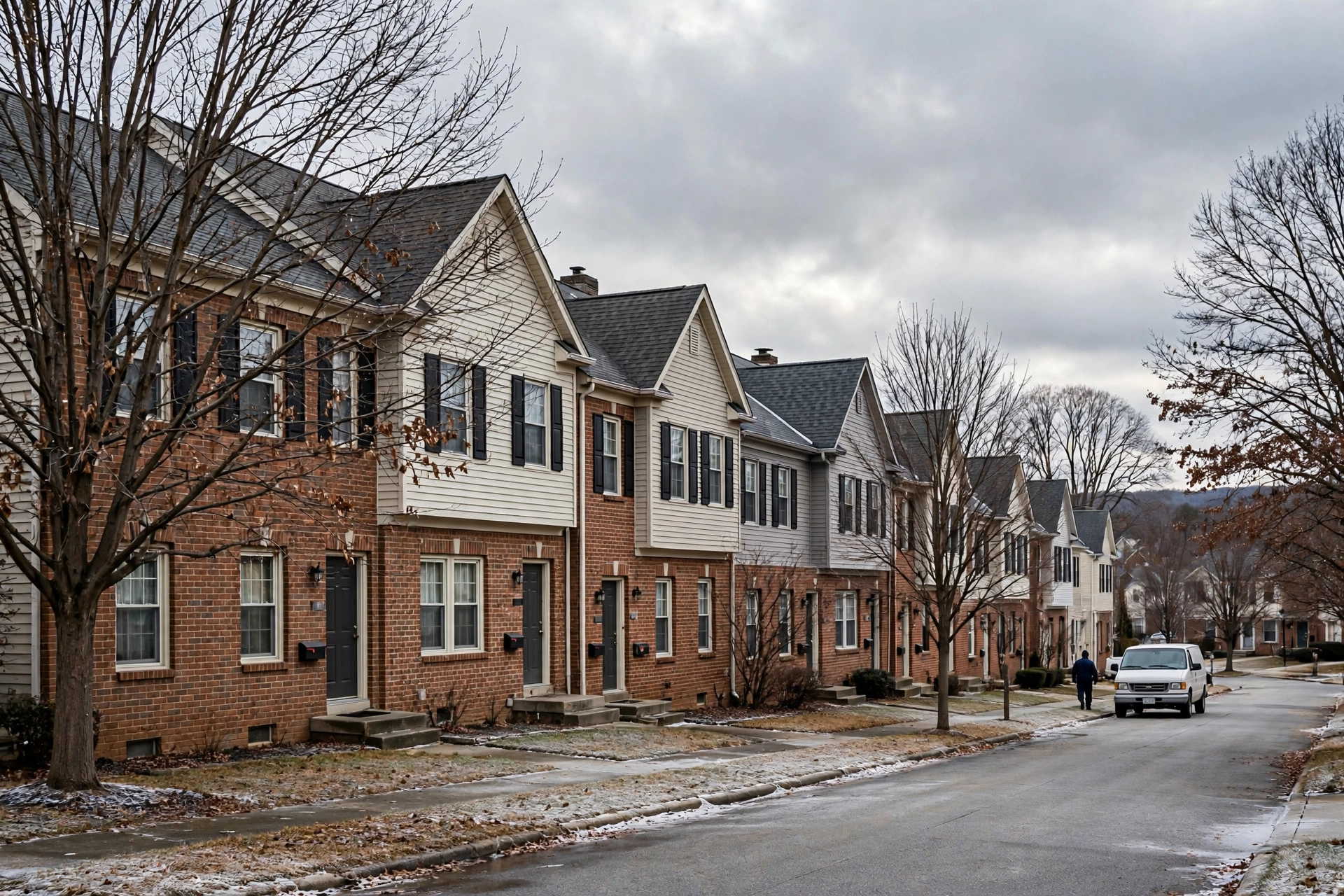
Centreville sits at the crossroads of Route 28 and Route 29, and its homes range from quiet cul de sacs near Sully Historic Site to busy townhouse rows closer to the shopping centers. That mix means no two furnace calls look exactly alike here. Our team starts by listening to what you noticed, whether it was a cold upstairs, a rattling blower or a system that stopped overnight. We then test the furnace in a logical order so the repair addresses the real cause, not just the symptom you saw first. Local experience with homes like yours guides every step that follows here.
Because we work across Centreville regularly, we understand how traffic, weather and housing age combine to shape a service visit. A morning failure before a commute on Route 28 needs a clear plan and honest timing. An evening call near Ellanor C. Lawrence Park needs the same care, with attention to safety checks before the heat is restarted. We explain each finding as we go, show you the worn part when possible and leave you with simple notes on what to watch during the rest of the winter season. Homeowners from Sully Station to the streets near Sully Historic Site hear the same promise on every visit, careful testing first and clear answers always.
Colonial and Townhouse Heating in Sully Station
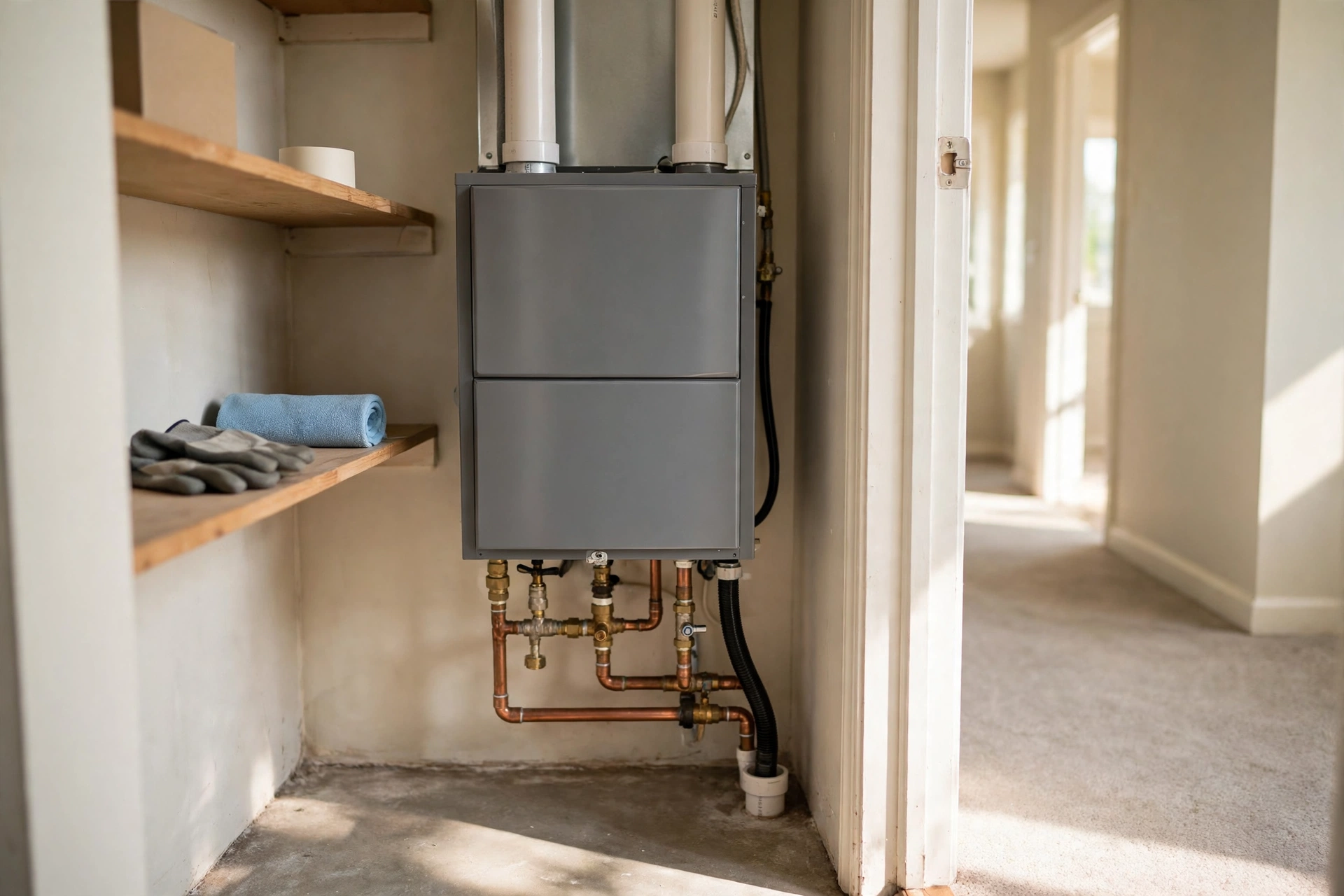
Sully Station and Centre Ridge include many townhouses where the furnace sits in a tight closet, garage corner or finished basement space. Space is limited, duct runs are compact and a small airflow problem can make bedrooms feel noticeably colder than the main level. In the colonials built from the 1970s to the 1990s nearby, larger duct systems bring different issues, including aging blower motors and thermostats that no longer read the room accurately. We check both layouts with the same patience and adjust our testing to the home in front of us.
Townhouse owners often tell us the heat works but never quite feels even. One room may roast while another stays chilly, or the system may run in short bursts that leave the house unsettled. Those patterns can point to a dirty flame sensor, a weak igniter, a clogged filter or duct leakage near a bend. We trace the pattern step by step, confirm temperatures at the registers and make sure the repair improves comfort in the rooms you actually use, not just the reading on the thermostat in the hallway. That room by room attention matters in Centre Ridge, where a townhouse layout can hide an airflow fault that a quick thermostat check would easily miss.
January Cold Snaps Along Route 28
Northern Virginia winters rarely stay steady for long, and Centreville feels that swing clearly. A mild afternoon can give way to a sharp January cold snap by nightfall, with wind cutting across open stretches near Route 28. Furnaces that seemed fine in December may struggle when they are asked to run for long cycles without rest. Igniters crack, sensors foul and older blowers slow down under that load. If your system starts making new noises during a cold spell, it is wise to call before a small fault becomes a complete loss of heat.
Freeze and thaw cycles add another layer of stress for Centreville homes. Condensate lines can chill, vents can collect frost and repeated starts can wear control boards faster than steady running would. We look for those winter specific clues during every cold weather visit. That includes checking vent terminations, drain lines and the way the furnace recovers after a long call for heat. A repair that holds on a calm day should also hold when the next front moves through Fairfax County and temperatures drop again after sunset. When the next front rolls down Route 29, a furnace that passed those checks can settle into long, steady cycles instead of struggling through the night.
Uneven Rooms in Centre Ridge Colonials
Uneven heating is one of the most common complaints we hear in Centre Ridge and the surrounding colonial streets. The living room feels comfortable, the primary bedroom feels cool and a smaller bedroom over the garage never seems to catch up. The furnace itself may be healthy, while the problem lives in airflow, duct balance or a thermostat placed where sunlight or kitchen heat skews its reading. We measure supply and return conditions, inspect accessible duct joints and check that the blower is moving the volume of air the home actually needs.
Solving uneven heat starts with ruling out simple causes before recommending larger work. A collapsed flex run in an attic, a closed damper left shut after summer or a filter that is too restrictive can all change room temperatures. We walk through those checks in order and explain what each result means for your home. When a repair is needed, we focus on the change that will make the biggest comfort difference. Our goal is a house that feels consistent from the front room to the back bedrooms. Families near Ellanor C. Lawrence Park tell us the back bedrooms matter most at bedtime, so we confirm those rooms before we call the work done.
Gas Furnace Care for Older Centreville Homes
Many Centreville colonials from the 1970s, 1980s and 1990s still rely on gas furnaces that have served through many winters. Those systems can remain dependable with proper care, but age shows first in ignition parts, blower bearings and safety controls. A furnace that lights, shuts off and tries again may be protecting itself from a problem it senses. We respect those safety signals and test the heat exchanger, flame pattern and venting carefully before returning any older system to regular use in your home. Age and layout together explain more than either one would on its own.
Care for an older furnace also means honest guidance about its remaining life. Some repairs restore safe, steady operation for years, while others only delay a replacement that is coming soon. We will tell you which situation you are in, without pressure and without dressing up the facts. If a repair makes sense, we complete it cleanly and test the full heating cycle. If the system is near the end, we explain why, so you can plan on your timeline instead of facing a rushed decision later. For a colonial built decades ago, that honest timeline helps owners plan repairs around real life instead of reacting to the next breakdown in a panic.
What a Complete Centreville Service Visit Covers
A complete visit covers more than the part that failed. We confirm the thermostat call, check the filter and airflow, test ignition and flame sensing, and listen to the blower through a full cycle. We also inspect electrical connections, safety switches and venting, because a furnace is a system where one weak link can create the next failure. At the end, we run the heat again and confirm the home is warming as it should before we consider the job finished for the day. A complete check looks beyond the first fault to the whole system.
You will also get a plain summary of what we found in your Centreville home. That includes the repair we made, any parts that are wearing but still working and anything worth planning for before next winter. We keep the language simple and the recommendations tied to evidence from your system, not to a generic checklist. If nothing else needs attention, we say so. Good service should leave you clearer than when we arrived, with warm rooms and a furnace you understand a little better than before. We leave that written summary with you, so the next technician, or the next owner, can see exactly what was done and why it mattered here.
Igniter and Blower Repairs Near Sully Historic Site
Homes near Sully Historic Site and the older roads around it often call us for two familiar problems: a furnace that will not light and a blower that will not move enough air. A failed igniter can leave the system clicking and retrying with no flame at all. A tired blower motor can run yet leave the house lukewarm, with registers that feel weak. We stock our testing around those realities, confirming voltage, resistance and motor performance before replacing any part in your furnace. The right tool and the right test make that call with confidence.
Replacing a part is only half the repair. After an igniter change, we watch several ignition cycles to be sure the flame lights cleanly and stays stable. After blower work, we check air movement at the registers and listen for vibration that hints at a mounting or wheel problem. Those extra minutes matter on a cold night when you need the repair to hold. We would rather verify the fix properly in Centreville than leave you hoping it works when the temperature falls again. Those repeat cycles are watched with the door closed and the thermostat set normally, because a repair should work in real conditions, not just in tests.
Heating Warning Signs Around Ellanor C. Lawrence Park
Families who walk the trails at Ellanor C. Lawrence Park know how quickly a Centreville evening can turn cold once the sun drops. Inside the house, warning signs often appear just as quietly. Watch for a furnace that starts and stops every few minutes, a burning smell that does not fade, a yellow or flickering flame, or a carbon monoxide alarm that sounds even once. Any of those signs deserves prompt attention, and an alarm should always be treated as urgent until the home is checked. Small signs, taken seriously, protect the whole house through the season.
Other clues are easier to miss. A thermostat that needs constant adjustment, ice forming near a vent, water pooling under a high efficiency furnace or a sudden rise in dust can all point to a developing problem. We encourage Centreville homeowners to call while the system still runs some of the time. Early repairs are usually simpler, and they protect the parts that are still healthy. Waiting until a complete shutdown during a nor easter often turns a manageable fix into a much harder night for everyone. A quick call at the first flicker or rumble often keeps a weekend near the park trails from turning into a night without heat at home.
After Hours Furnace Help Across Centreville
Heat rarely fails at a convenient hour. It stops after dinner, before a school morning or during a weekend when guests are staying over. Our after hours help for Centreville is built around calm communication first. We ask what the system is doing, whether you smell gas, whether an alarm has sounded and how cold the house has become. That short conversation helps us guide you on immediate safety steps and plan the visit so the right tools and parts are ready when we arrive. Timing matters most when the temperature outside keeps falling after dark.
Once on site, night work follows the same careful process as any daytime repair. We do not skip safety testing because the hour is late, and we do not rush a diagnosis to save a few minutes. If a full repair needs a part we must obtain, we will explain the situation honestly and help you understand your options for staying comfortable. Centreville families deserve the same clarity at midnight that they would expect at noon, especially when young children or older relatives are in the home. We also check that doors and panels are secure before leaving, so a sleeping household is not woken by a rattle from the utility space later.
Efficiency Tuning for Centreville Winters
A furnace can heat a home and still waste energy doing it. Short cycles, restricted airflow and a thermostat that overshoots all force the system to work harder than it should. During an efficiency focused visit in Centreville, we look at filter fit, blower settings, duct condition and how long each heating cycle actually runs. Small corrections in those areas can make rooms feel steadier and reduce the strain that wears parts out early, especially during the long heating stretches of January and February. Steady care keeps that performance going from one winter to the next.
We also talk through simple habits that support the work we do. Keeping returns unblocked by furniture, changing filters on a schedule that matches your home and leaving a little space around the furnace all help airflow stay honest. In townhouses, that can mean checking that a finished basement has not slowly crowded the unit. In colonials, it can mean confirming attic duct insulation is still in place. Together, those details help your Centreville furnace deliver the comfort it was built to provide, winter after winter. Small habits like that, repeated across a Centreville winter, add up to steadier comfort and fewer surprises when the coldest weeks finally arrive each year.