Bangs And Booms At Start Up
A single soft pop as metal warms is ordinary, but a sharp bang or a low boom when the furnace starts deserves respect. One common cause is delayed ignition, where gas builds for a moment before lighting all at once. That small explosion stresses the heat exchanger over time and signals that burners or ignition parts need cleaning or service without delay.
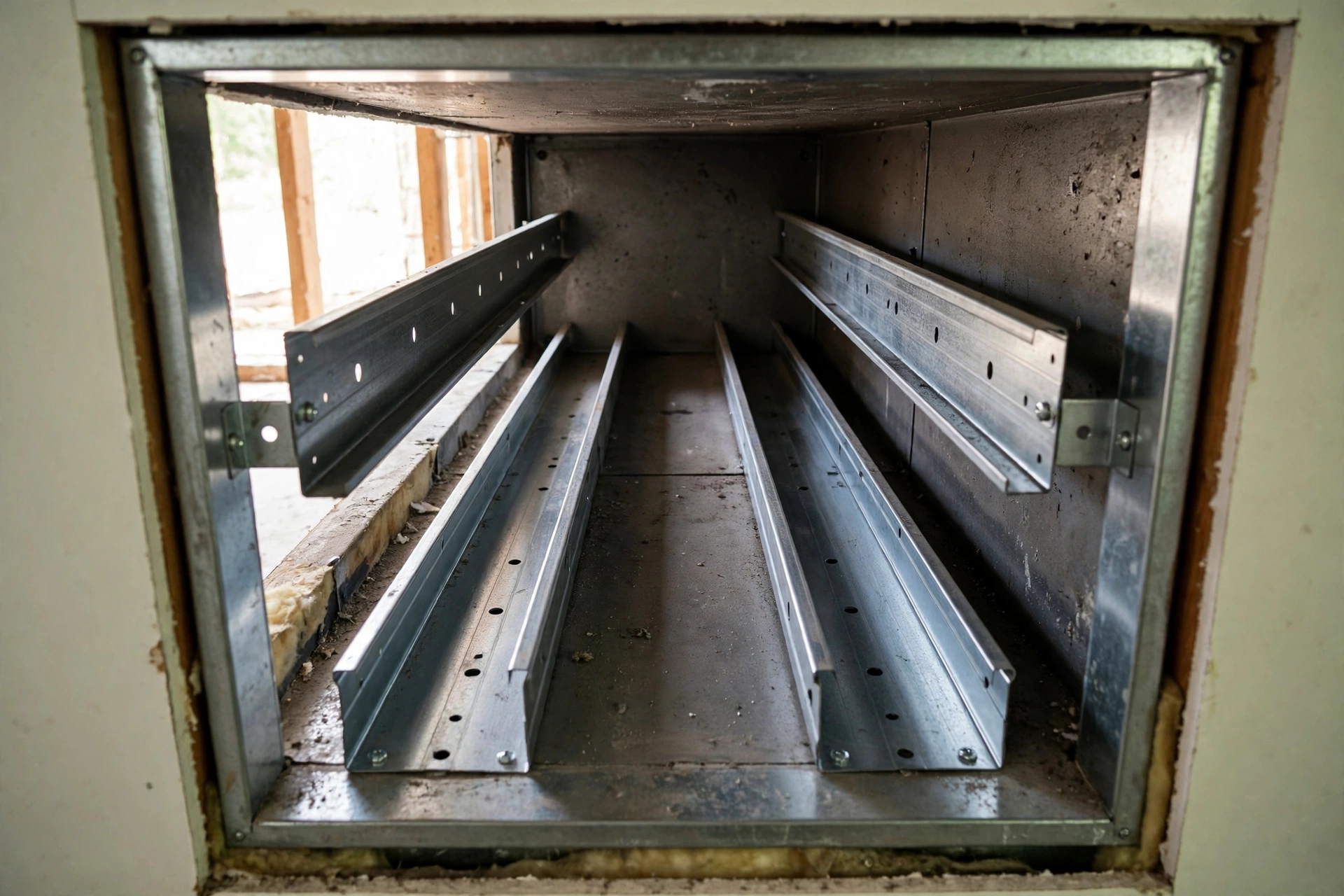
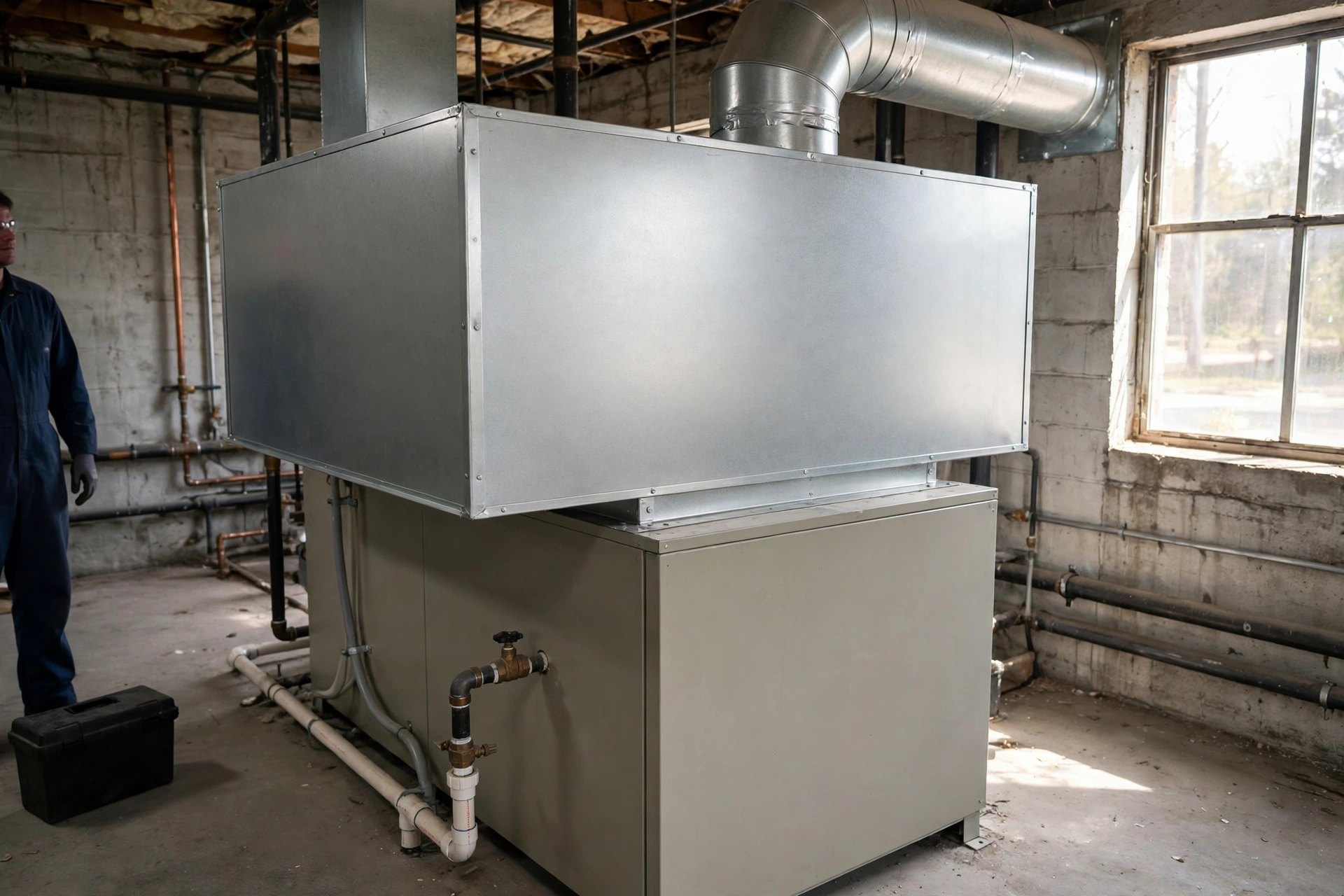
Ductwork can also bang. A large duct panel flexing as pressure changes, called oil canning, makes a popping sound at start up and shutdown that comes from the ducts rather than the furnace. Note whether the bang seems to come from the cabinet or from overhead runs, and whether it happens once per cycle or repeatedly. In Manassas homes, that location detail helps a technician separate a combustion concern, which is urgent, from a duct noise, which is mostly a comfort and annoyance fix. Frequency is a clue as well, because a bang that happens on every start, grows louder over a week, or arrives with a brief smell of gas at the vents should move the call from routine to prompt without further home testing.
Rattles, Vibrations, And Loose Parts
Rattling usually means something that should be fixed in place is moving. Loose cabinet panels, a blower door that is not seated, worn mounting hardware, or a component vibrating against the frame can all rattle in time with the blower. The sound often changes when a panel is pressed gently, which is a useful clue to report.
Do not ignore a rattle that is getting louder. Vibration works fasteners looser, wears insulation off wires, and can let a small problem migrate into the blower assembly. Rattles from inside the blower compartment, especially with a wobble or an uneven rhythm, can point to a dirty or damaged blower wheel. Keep the inspection simple from your side: note when the rattle starts, whether it tracks blower speed, and whether it appeared after a filter change, which can leave a door or filter slot slightly out of place. Start your own check with the obvious, confirming the filter is seated, the door is latched, and nothing stored against the cabinet is buzzing along in sympathy, because those three causes account for a good share of the rattles reported each season.
Whistles And High Pitched Squeals
A whistle almost always involves air moving through a gap that is too small. A clogged filter is the classic cause, as the blower pulls hard against the restriction and air squeezes past the filter edges or cabinet seams. A whistle that disappears with a fresh filter has told you its story. One that remains points to undersized returns, closed vents, or a duct leak whistling at a joint.
Squeals are different and usually mechanical. A high pitched squeal that rises with blower speed can mean a worn motor bearing or, on older belt driven units, a belt that is glazed or slipping. Those sounds tend to worsen week by week, and motors rarely recover on their own. For Manassas homeowners, the practical rule is simple: whistles ask for an airflow check, squeals ask for a motor inspection, and both are cheaper to answer early. Listen at the return grille as well as at the furnace, since a whistle that is loudest at the grille points to the return path, while one loudest at the cabinet points to the filter slot or a seam nearby.
Hums, Buzzing, And Clicking Sounds
A soft hum from a running motor or transformer is normal background noise for many furnaces. A loud hum with no blower movement is not. That combination can mean a motor trying and failing to start, sometimes from a failed capacitor, and leaving it humming under power can overheat the motor. Turn the system off at the thermostat if the hum continues with no airflow.
Buzzing can come from a loose electrical connection, a contactor, or a transformer that is failing, and clicking is normal in small doses during start up as relays and ignition operate. Clicking that repeats without the burners lighting is the furnace failing a step and retrying. Count the pattern if you can, and note any blinking light on the control board that matches it. In Manassas service calls, that click pattern often leads straight to the stage that failed. Note whether the hum comes from the cabinet, the thermostat, or a nearby duct, because transformers, relays, and motors each live in a different place, and a location can shorten the search as much as the tone of the sound itself.
Grinding, Scraping, And When To Shut Down
Grinding and scraping sit at the top of the urgency list. Metal on metal sounds mean parts that should never touch are in contact, such as a blower wheel shifted on its shaft, a broken mount letting the assembly sag, or a motor bearing worn to failure. Every minute of running adds damage, and a scraping blower can turn a motor repair into a larger assembly replacement.
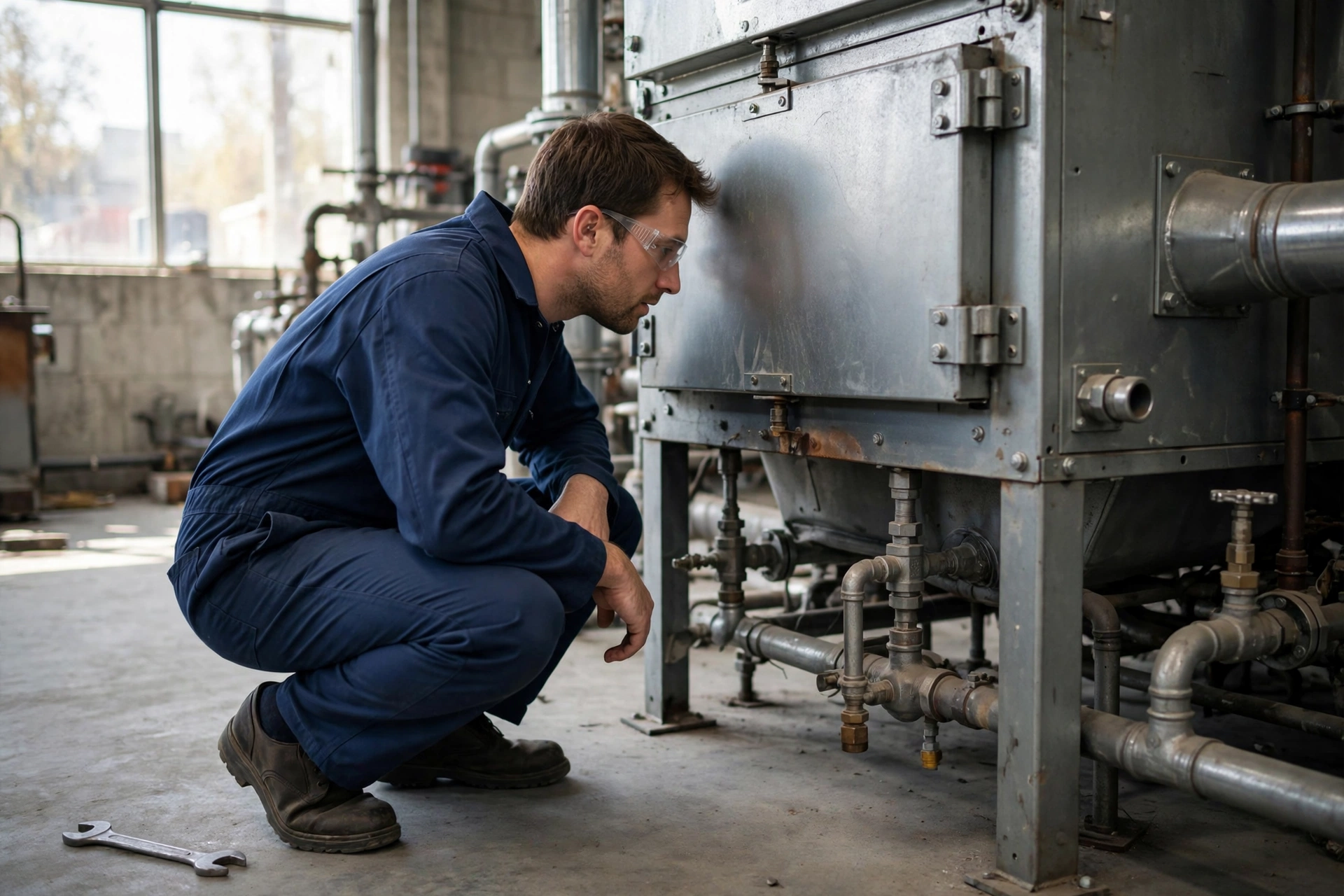
Shut the system down at the thermostat and leave it off until it is inspected. The same rule applies to a bang paired with a gas smell, or any noise paired with scorch marks or a breaker trip. Write down the sound in plain words, when it started, and what the furnace was doing. Manassas homeowners who stop early and describe clearly almost always give their technician the shortest path to the fix. Do not open the blower compartment to look for the source yourself, because a damaged wheel can have sharp edges and the motor can start without warning on a call from the thermostat in another room of the house.
Questions About Furnace Noises Decoded
Is a banging sound from my furnace dangerous?
It can be. A bang at start up may be delayed ignition, where gas lights late and all at once, which stresses the heat exchanger. Duct panels can also pop harmlessly. Because the causes differ so much, a new or loud bang should be inspected promptly rather than monitored.
Why does my furnace whistle only with a new filter installed?
A whistle after a filter change can mean the new filter is the wrong size, seated poorly, or more restrictive than the system suits, so air squeezes around the edges. Confirm size and fit, try the standard style used before, and have airflow checked if it persists.
What does a humming furnace with no air mean?
A loud hum with no blower movement often means the motor is powered but failing to start, which can involve a failed capacitor or a seized motor. Continued humming can overheat the motor. Turn the system off at the thermostat and book an inspection instead of leaving it powered.
Can I keep using a furnace that rattles?
A faint rattle from a loose panel is not an emergency, but it should be scheduled rather than ignored, since vibration loosens parts further. If the rattle is loud, comes from the blower area, or pairs with wobbling or scraping sounds, stop using the system until it is checked.